
before you fund it.
- Overview sessions — get a deep understanding of how the business works
- Reports — detailed research and analysis on market, regulations, technical and financial aspects
- Location analysis — find the right location for your plant with deep data analysis across 4,000+ industrial areas
- RFQ tool — compare vendor quotes, find the missing points, and filter the right one for you
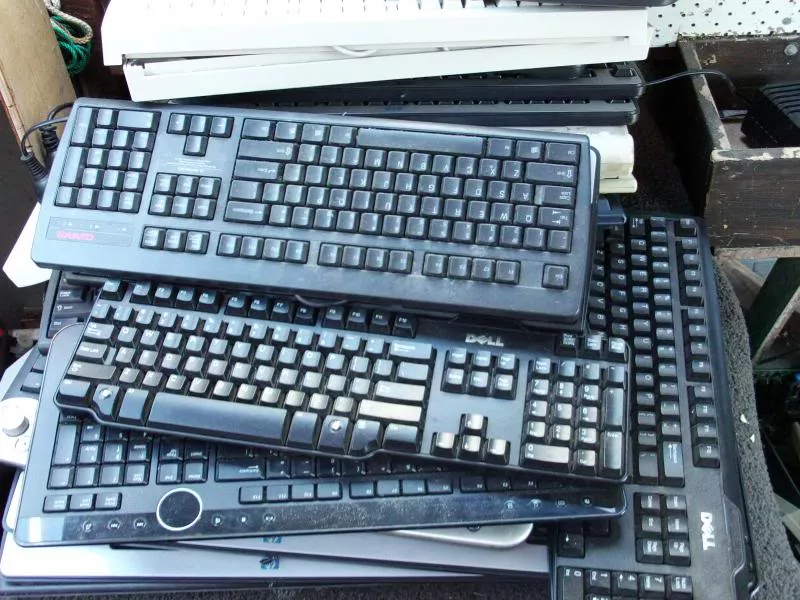
Keyboard Scrap
Sanjari RecyclingKeyboard scrap as electronic waste (e-waste) refers to the discarded or obsolete components of keyboards that have reached the end of their lifecycle or are no longer in use. E-waste is a growing environmental concern due to the rapid advancement of technology and the resulting increase in electronic device disposal.
Keyboards, being an integral part of computer systems, contribute significantly to the e-waste stream. The scrap from keyboards typically includes various materials such as plastic, metal, and electronic components. The plastic casing, keycaps, and other external components contribute to the non-metallic portion of the scrap, while the internal circuitry, switches, and connectors make up the metallic and electronic components.
These discarded keyboard scraps can pose environmental risks if not properly managed. The electronic components may contain hazardous materials such as lead, mercury, and brominated flame retardants. When improperly disposed of, these substances can leach into the soil and water, leading to pollution and potential harm to ecosystems and human health.
Efforts to address e-waste, including keyboard scrap, involve recycling and proper disposal methods. Recycling initiatives aim to recover valuable materials from keyboards, such as metals and plastics, reducing the need for virgin resources and minimizing the environmental impact. Additionally, responsible e-waste management involves the safe disposal of hazardous materials to prevent environmental contamination.
As technology continues to evolve, the proper handling of keyboard scrap and other forms of e-waste becomes increasingly important for sustainable and environmentally friendly waste management practices. Manufacturers, consumers, and regulatory bodies play essential roles in developing and enforcing policies that promote responsible e-waste disposal and recycling.
