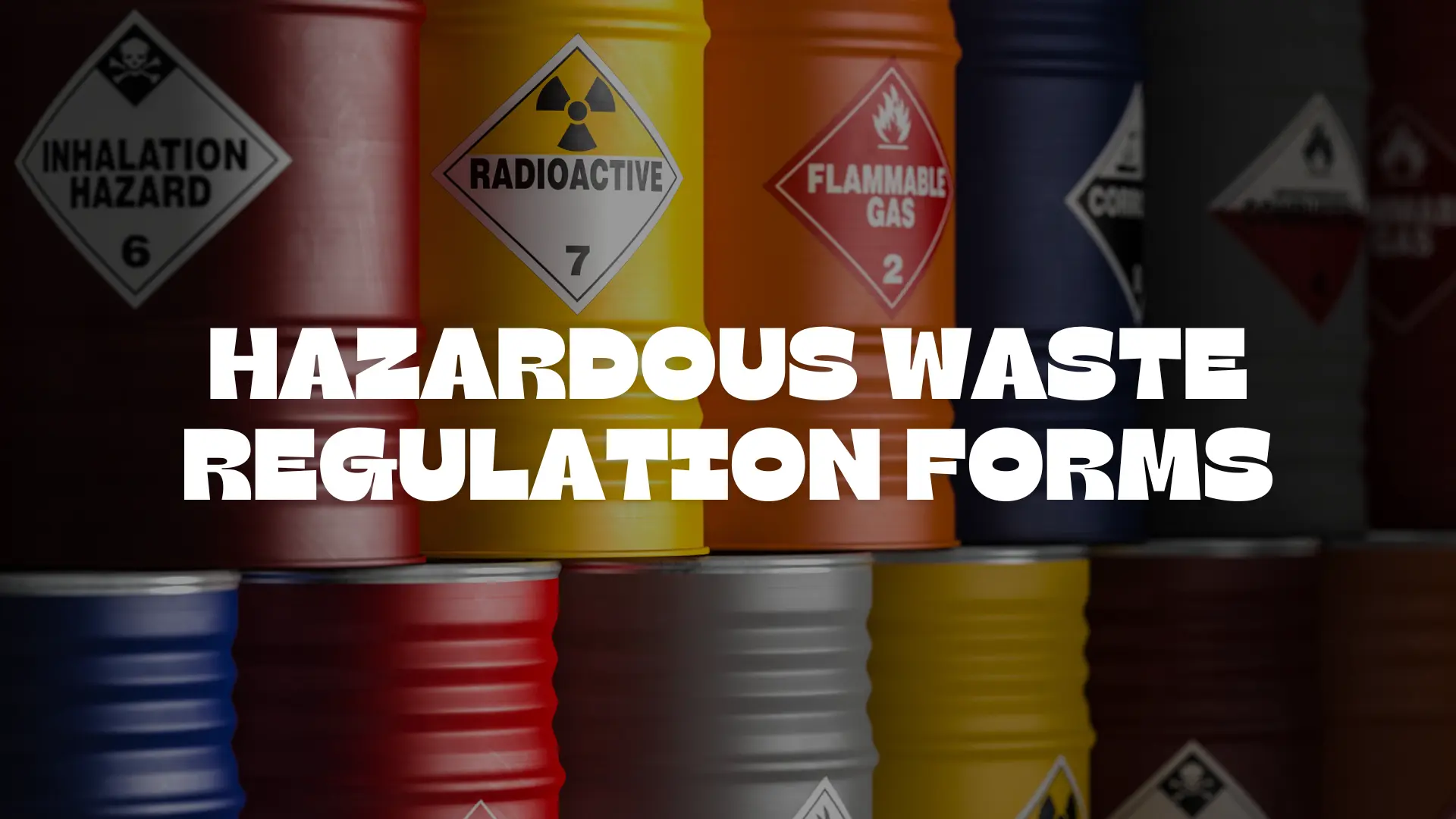

Today, there are multiple types of hazardous waste generated by industries that come from various sources like chemicals, medical and electronic. Notably, such hazardous waste is unlikely to degrade, causing an environmental dis-balance. Consult with the best hazardous waste consultants here!
In a recent research conducted by the United Nations Environment Programme (UNEP), it was found that humans exhibit 400 million tons of hazardous waste worldwide every year, of which India contributes over 51.1 million tons. There are more than 43,936 industries in India that emit hazardous waste regularly.
Therefore, overlooking hazardous waste generated by industries will leave our nation on the verge of living on the trash that we have created over the years.
Environmental Issues
Hazardous waste directly impacts human health and disrupts ecological dis-balance. With such an enormous population, India faces difficulty finding an appropriate waste disposal treatment to reduce toxins in the environment. For better understanding, we can divide into three broad categories:
- High-risk: This waste contains the highest number of toxins coming from metal degreasing, cyanide waste, dioxin-based waste, or polychlorinated biphenyl waste.
- Intermediate-risk: This waste includes metal hydroxide sludge with low mobility and relatively insoluble.
- Low-risk: These are low-level hazardous waste that possesses a lower risk than others.
Such hazardous waste causes both short-term and long-term effects on the environment and humans. Without a proper waste management system, these toxins are absorbed in water, causing land and water pollution. As of now, there are many industries that burn such toxins to eliminate the waste, resulting in depletion of the air we breathe.
If this waste remains for a longer time, it can cause soil erosion and infertility. It can also permanently deplete the water table and go undetected. Being in contact with such toxins can also develop diseases like cancer, physiological malfunction, congenital disabilities, or genetic mutations.
How to Reduce Hazardous Waste?
Technology
Machinery plays a significant role in emitting waste. As technology is improving, scientists are coming up with new technologically advanced techniques to shape such hazardous waste into something functional or less environmentally risky. Therefore, every industry should ensure they adopt these new technologies to not only reduce the waste but also to create an eco-friendly environment.
Also Read:
- Handling Hazardous Waste: Hazards Encountered and Safety Protocols
- Microwave Technology: An Emerging Tool for Biohazard Waste Treatment
Pipeline
Many industries use low-quality pipelines to carry such hazardous material. This might lead to a severe complication if the waste enters the water table. It is critical that industries don’t overlook this matter but come up with new ways to build a robust pipeline system that can help them manage the waste.
Government Regulations
To combat the littering of hazardous waste, the Ministry of Environment and Forest (MoEF) announced the Hazardous Waste Act, 1989, under the last Environment Protection, 1986. Consult with our legal regulation and compliance consultants for hazardous waste for more information on hazardous waste act!
These rules were strictly made to reduce the production of the waste through recent technologies that boost recycling/reuse/recovery of waste. It has laid down rules for all frontier to help people understand the need to adopt such preventions. If not, one will be liable to pay a fine levied by the Government. So, following the guidelines will not only help industries comply with the rules but also at the same time manage their waste in an effective way.
Methods to Hazardous Waste Disposal
Treatment
Hazardous waste is treated by various chemical, biological, physical, and thermal methods. The chemical methods include oxidation & reduction, ion exchange, neutralization, and precipitation.
In thermal methodology, the experts use high-temperature incineration, multiple-hearth furnace, liquid injection, and fluidized-bed incinerator, destroying hazardous toxins to treat harmful waste. Biological treatment includes mixing an appropriate amount of waste with the solid to rejuvenate certain soil bacteria.
Landfills
Building secure landfills might not be a sustainable option but can be monitored to avoid any environmental side-effects. Moreover, one should be aware that landfill channels should be built three meters above ground level to ensure no direct contact with water tables and waste. Connect with our landfill consultants for secure development of landfills.
Possible Monetary Benefits Through Hazardous Waste Disposal
- Recycle waste: Recycling is one of the prominent ways to treat the waste. Many businesses acquire harmful substances from other industries and mold them into valuable items. This can fetch industries a good profit and also contribute towards reducing environmental dis-balance.
- Identifying industries: One can act as a middleman who identifies industries in need of certain chemical compounds that are a waste of another. It is the most cost-effective method, where you just invest in the transportation of items and earn all the extra profits.
- Disposal plant: With an appropriate budget, one can set up a waste disposal plant. Here, you can earn from both the earning options mentioned above. Our country needs many such plants to discard such pervasive waste.
As we move up the technological ladder, we leave a chunk of hazardous waste that comes out of factories and degrades our environment. Hazardous waste is difficult to decompose, and we need to adopt high-end measures to control its production. It is also an excellent opportunity to monetize through disposing of such waste. Our government supports all initiatives that work to better overflow waste.
If you enjoyed reading this blog, you can also follow us on LinkedIn to get daily updates and news on waste management.