
before you fund it.
- Overview sessions — get a deep understanding of how the business works
- Reports — detailed research and analysis on market, regulations, technical and financial aspects
- Location analysis — find the right location for your plant with deep data analysis across 4,000+ industrial areas
- RFQ tool — compare vendor quotes, find the missing points, and filter the right one for you
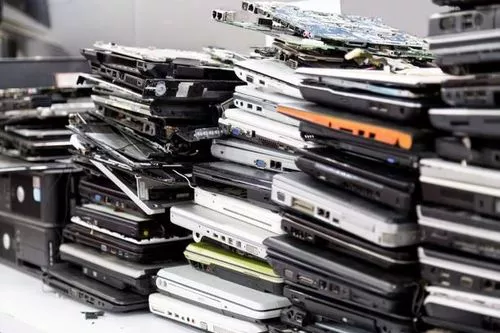
Laptop scrap
Sanjari RecyclingLaptop scrap, categorized as electronic waste (e-waste), refers to the discarded or obsolete components and materials from laptops that have reached the end of their usable life cycle. E-waste is a growing environmental concern as technological advancements lead to a rapid turnover of electronic devices, including laptops. The disposal of laptop scrap poses significant challenges due to the presence of hazardous materials, such as heavy metals, toxic chemicals, and non-biodegradable plastics.
Laptop scrap typically includes various components like circuit boards, batteries, LCD screens, keyboards, and casings. The circuit boards, often the heart of a laptop, contain valuable metals like gold, silver, and copper. However, they also contain hazardous substances such as lead, mercury, and brominated flame retardants. Batteries, crucial for the functioning of laptops, may contain toxic elements like cadmium and lithium, which can be harmful to the environment if not properly managed.
The LCD screens in laptops often consist of liquid crystal displays and backlighting systems, which can contain mercury and other harmful substances. Keyboards and casings, usually made of plastics, contribute to the non-biodegradable waste problem when not recycled appropriately.
Efficient and environmentally responsible management of laptop scrap involves recycling and proper disposal methods to minimize the impact on ecosystems and human health. Recycling facilities can extract valuable materials from the e-waste while safely handling and disposing of hazardous components. As the global demand for electronic devices continues to rise, finding sustainable solutions for managing laptop scrap is crucial to mitigate the environmental consequences of e-waste accumulation.
