
before you fund it.
- Overview sessions — get a deep understanding of how the business works
- Reports — detailed research and analysis on market, regulations, technical and financial aspects
- Location analysis — find the right location for your plant with deep data analysis across 4,000+ industrial areas
- RFQ tool — compare vendor quotes, find the missing points, and filter the right one for you
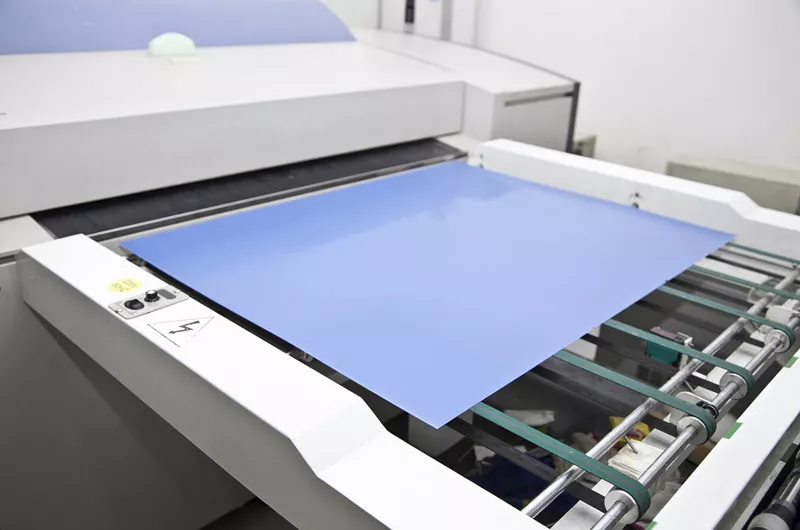
Plates and Plate Processing Waste
S.S.B.INTERNATIONALIn the printing industry, 'Plates and Plate Processing Waste' refers to the materials and byproducts associated with the plate-making process used in various printing methods, such as offset printing. Plates are essential components used to transfer images onto substrates like paper or cardboard. The waste generated from plates and their processing typically includes several elements:
1. Plate Material Waste: This comprises the physical material used to create the printing plates. It could be aluminum or other metal plates, or photopolymer plates. During the plate-making process, excess material may be trimmed or cut off, resulting in plate material waste.
2. Residue and Byproducts: During plate processing, residues such as debris, scrap metal, or chemical byproducts may be generated. These residues could stem from the interaction between chemicals and the plate material or from trimming excess plate material.
3. Packaging and Protective Materials: Waste can also include materials used for packaging or protecting the plates during transportation or storage. These might include plastic wraps, foam padding, or cardboard packaging.
Efforts to minimize waste from plates and plate processing often involve adopting more efficient plate-making techniques, recycling or reusing plate materials where possible, and implementing better chemical management practices to reduce the volume of hazardous waste generated. Additionally, proper handling and disposal methods in compliance with environmental regulations are crucial to mitigate the impact of plate and plate processing waste on the environment.
S.S.B International is a reputable company specializing in the procurement and recycling of Plates and Plate Processing Waste within the printing industry. With a robust and environmentally conscious approach, S.S.B International functions as a dedicated intermediary, purchasing and handling various types of plates and waste generated during plate processing from printing companies.
The company has established itself as a reliable entity in the marketplace, offering tailored solutions for the responsible disposal and recycling of printing-related materials. S.S.B International operates by providing a seamless and efficient process for buying plates and plate processing waste from printing businesses, which helps these companies manage their waste streams effectively while adhering to environmental guidelines and regulations.
Key features and services provided by S.S.B International include:
1. Procurement Expertise: S.S.B International possesses extensive knowledge and expertise in the assessment and valuation of various types of plates and plate processing waste used in the printing industry.
2. Recycling Solutions: The company employs innovative recycling methods to process and reutilize these materials efficiently, reducing the environmental impact of printing waste.
3. Tailored Waste Management Programs: S.S.B International offers customized waste management programs that cater to the specific needs and volume requirements of individual printing businesses.
4. Compliance with Environmental Standards: The company operates in adherence to stringent environmental regulations, ensuring that the disposal and recycling processes are carried out responsibly and sustainably.
5. Efficient Logistics and Collection Services: S.S.B International provides efficient logistics and collection services, streamlining the process of acquiring plates and plate processing waste from multiple printing establishments.
6. Commitment to Sustainability: The company is committed to promoting sustainability within the printing industry by encouraging responsible waste management practices and reducing the environmental footprint associated with printing-related materials.
Overall, S.S.B International stands as a reputable entity that facilitates the acquisition and recycling of plates and plate processing waste, contributing significantly to the circular economy by transforming printing waste into valuable recycled materials. Through their expertise and commitment to environmental responsibility, they play a vital role in assisting printing companies to effectively manage their waste streams while advancing sustainable practices within the industry.