
before you fund it.
- Overview sessions — get a deep understanding of how the business works
- Reports — detailed research and analysis on market, regulations, technical and financial aspects
- Location analysis — find the right location for your plant with deep data analysis across 4,000+ industrial areas
- RFQ tool — compare vendor quotes, find the missing points, and filter the right one for you
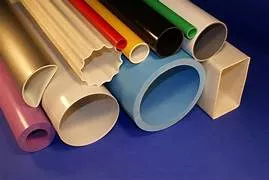
Polyvinyl Chloride
Recycle PlasticsCommon Abbreviation: PVC
Description:
Polyvinyl Chloride, commonly referred to as PVC, is a versatile synthetic polymer known for its exceptional durability, chemical resistance, and wide-ranging applications across various industries. It is produced through the polymerization of vinyl chloride monomers, resulting in a rigid and thermoplastic material.
Key Characteristics and Features:
1. Durability: PVC is renowned for its exceptional durability and longevity, making it a preferred choice for numerous applications where materials must withstand harsh conditions and environmental factors.
2. Chemical Resistance: PVC exhibits excellent resistance to chemicals, acids, alkalis, and corrosion, making it suitable for use in industries such as chemical processing, water treatment, and infrastructure.
3. Electrical Insulation: PVC is an outstanding electrical insulator, making it essential for electrical wiring and cable insulation, protecting both people and equipment from electrical hazards.
4. Lightweight: PVC is a lightweight material, which contributes to its ease of handling and transportation, especially in the construction and manufacturing sectors.
5. Low Cost: PVC is a cost-effective material, offering an attractive balance between performance and affordability.
6. Versatility: PVC is highly versatile and can be formulated into various forms, including rigid (uPVC) and flexible (soft PVC). This adaptability allows for a wide range of applications, from pipes and fittings to vinyl flooring, inflatable structures, and medical devices.
7. Environmental Considerations: While PVC has been criticized for its environmental impact due to the production of chlorine gas during manufacturing, efforts have been made to improve its sustainability through recycling initiatives and the development of more eco-friendly production processes.
Common Applications:
1. **Construction**: PVC is extensively used for plumbing pipes, window profiles, siding, and roofing materials due to its durability, low maintenance requirements, and thermal insulation properties.
2. **Electrical**: PVC is a preferred material for electrical conduits, cable insulation, and wire sheathing, providing excellent electrical insulation and fire resistance.
3. **Automotive**: PVC is utilized for various automotive components, including upholstery, dashboard coverings, and cable insulation, thanks to its durability and resistance to oils and chemicals.
4. **Medical**: In the medical industry, soft PVC is used for IV bags, tubing, and medical devices due to its biocompatibility and ease of sterilization.
5. **Packaging**: PVC films and sheets are used in packaging applications, including blister packs, shrink wrap, and clamshell packaging, providing transparency and protection for various products.
6. **Signage and Graphics**: PVC sheets are a popular choice for outdoor signage, banners, and digital printing due to their weather resistance and smooth surface.
7. **Sports and Leisure**: PVC is used in the production of inflatable boats, swimming pool liners, yoga mats, and various recreational equipment due to its buoyancy and durability.
It's important to note that while PVC offers numerous benefits, its environmental impact and disposal require responsible consideration. Recycling and proper waste management are essential to mitigate potential drawbacks associated with PVC usage.
