
before you fund it.
- Overview sessions — get a deep understanding of how the business works
- Reports — detailed research and analysis on market, regulations, technical and financial aspects
- Location analysis — find the right location for your plant with deep data analysis across 4,000+ industrial areas
- RFQ tool — compare vendor quotes, find the missing points, and filter the right one for you
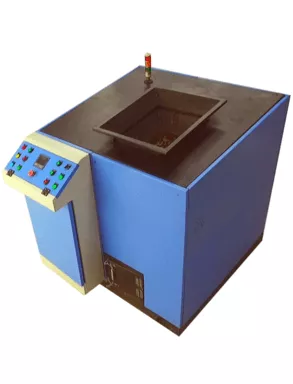
Food Waste Converter
Netsol Water**Introduction to the Food Waste Converter**
In a world where environmental sustainability is of paramount importance, innovative technologies play a crucial role in reducing our ecological footprint. One such remarkable invention that addresses the pressing issue of food waste is the Food Waste Converter.
The Food Waste Converter is a cutting-edge machinery designed to tackle the ever-growing problem of food waste, which is a significant contributor to environmental pollution and greenhouse gas emissions. This advanced system offers an efficient and eco-friendly solution for converting organic waste materials, primarily food scraps and leftovers, into valuable resources.
**How does it work?**
The Food Waste Converter employs a combination of sophisticated processes to decompose and convert food waste into useful byproducts. The machine typically operates through the following steps:
1. **Collection**: Food waste, such as discarded fruits, vegetables, cooked food, and other organic materials, is collected from various sources like households, restaurants, and food processing units.
2. **Preparation**: The collected food waste is processed to remove non-organic materials like plastic, paper, and other contaminants that might have been mixed in.
3. **Anaerobic Digestion**: The processed food waste is then introduced into a sealed chamber with limited oxygen, a process known as anaerobic digestion. During this stage, microorganisms break down the organic matter in the absence of air, producing biogas and a nutrient-rich slurry.
4. **Biogas Production**: The biogas generated during anaerobic digestion is a valuable resource consisting mainly of methane and carbon dioxide. It can be collected and used as a renewable energy source for various purposes, including electricity generation, heating, or powering the Food Waste Converter itself.
5. **Compost Creation**: Simultaneously, the nutrient-rich slurry produced during the anaerobic digestion process can be further processed and transformed into high-quality compost. This compost serves as a natural fertilizer that enriches the soil, promoting agricultural productivity while reducing the need for harmful chemical fertilizers.
**Environmental Benefits**
The Food Waste Converter offers several notable environmental benefits:
1. **Reduction of Methane Emissions**: By efficiently converting food waste into biogas, the Food Waste Converter helps mitigate the release of methane, a potent greenhouse gas that significantly contributes to global warming.
2. **Energy Generation**: The production of biogas as a byproduct helps in harnessing renewable energy, reducing dependence on fossil fuels and promoting a sustainable energy future.
3. **Sustainable Agriculture**: The compost generated from the food waste can be used as a natural and nutrient-rich fertilizer, fostering sustainable agricultural practices and improving soil health.
4. **Landfill Diversion**: By diverting food waste from landfills, the Food Waste Converter reduces the environmental burden of waste disposal and minimizes the risk of groundwater contamination and odor issues.
In conclusion, the Food Waste Converter stands as an innovative and impactful solution in the battle against food waste and its environmental consequences. With its ability to convert organic waste into valuable resources like biogas and compost, it represents a significant step towards a more sustainable and greener future.